Collect the right public data
We collect relevant data from social media, news, public documents, e-commerce, and market sources based on your monitoring scope.
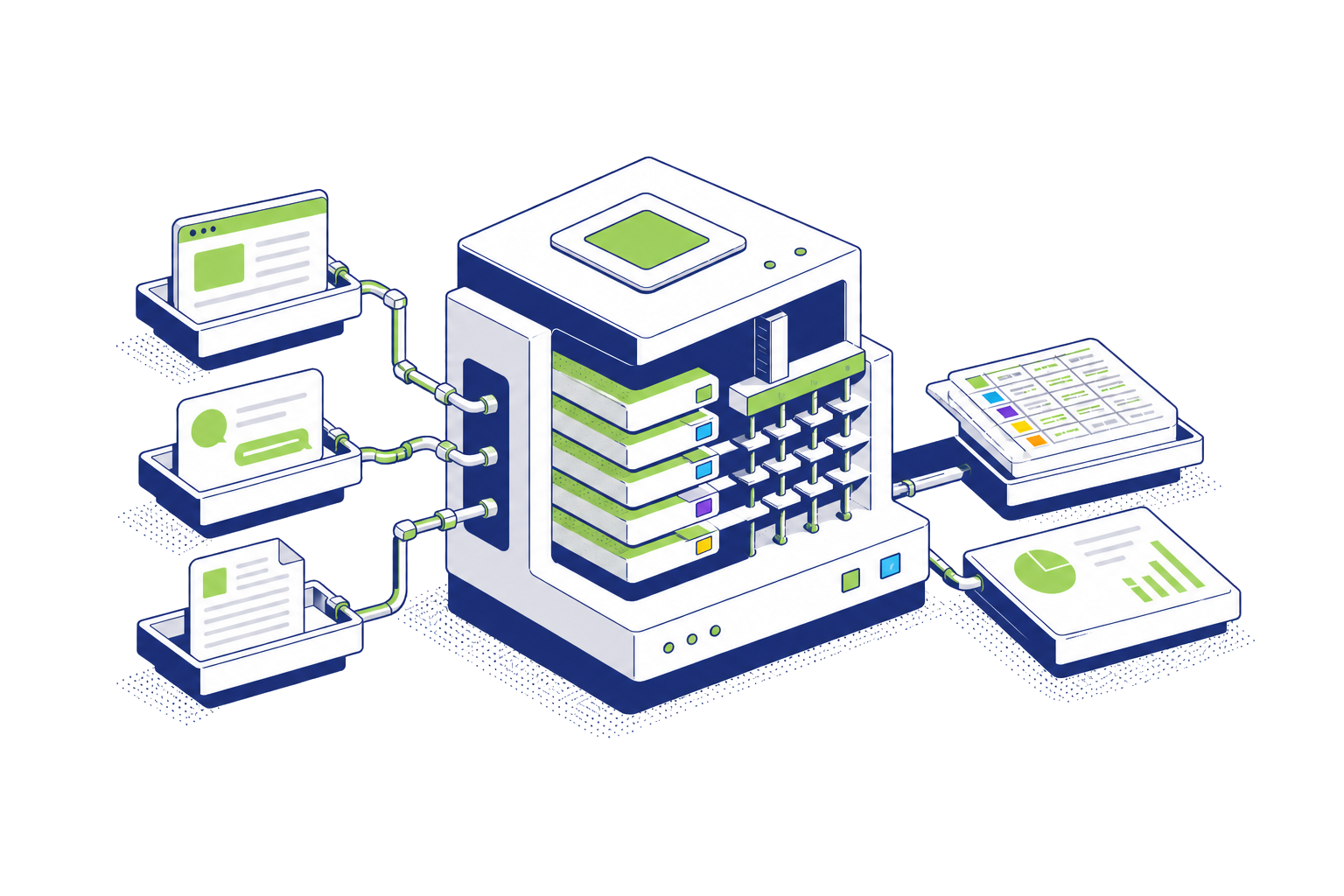
01AA Scraper collects publicly available data, enriches every record with contextual tags, and delivers analysis-ready insight, so your team can measure meaning, not just volume.
Selected teams already working with AA Scraper




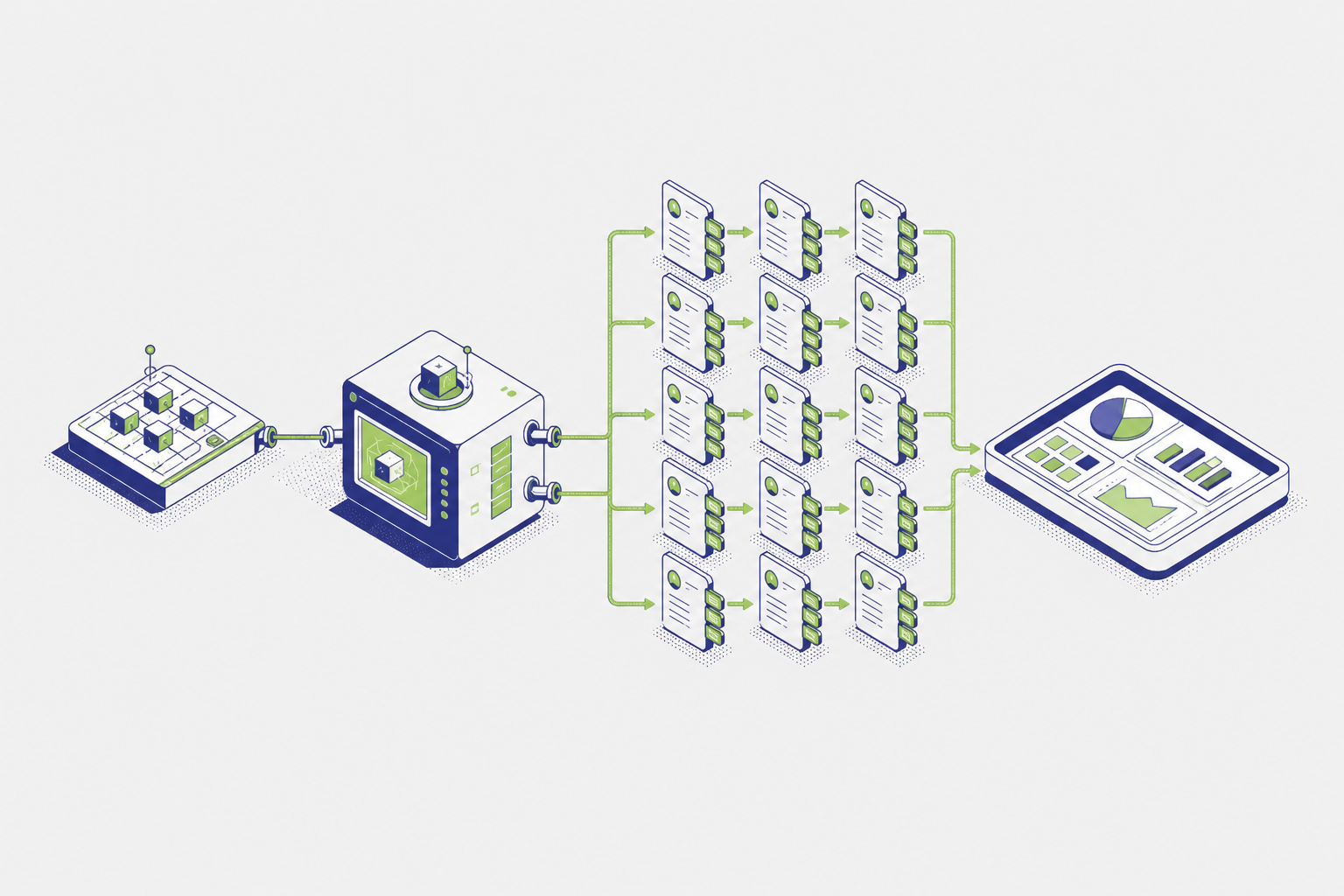
One managed service covers collection, contextual understanding, and analysis-ready delivery.
We collect relevant data from social media, news, public documents, e-commerce, and market sources based on your monitoring scope.
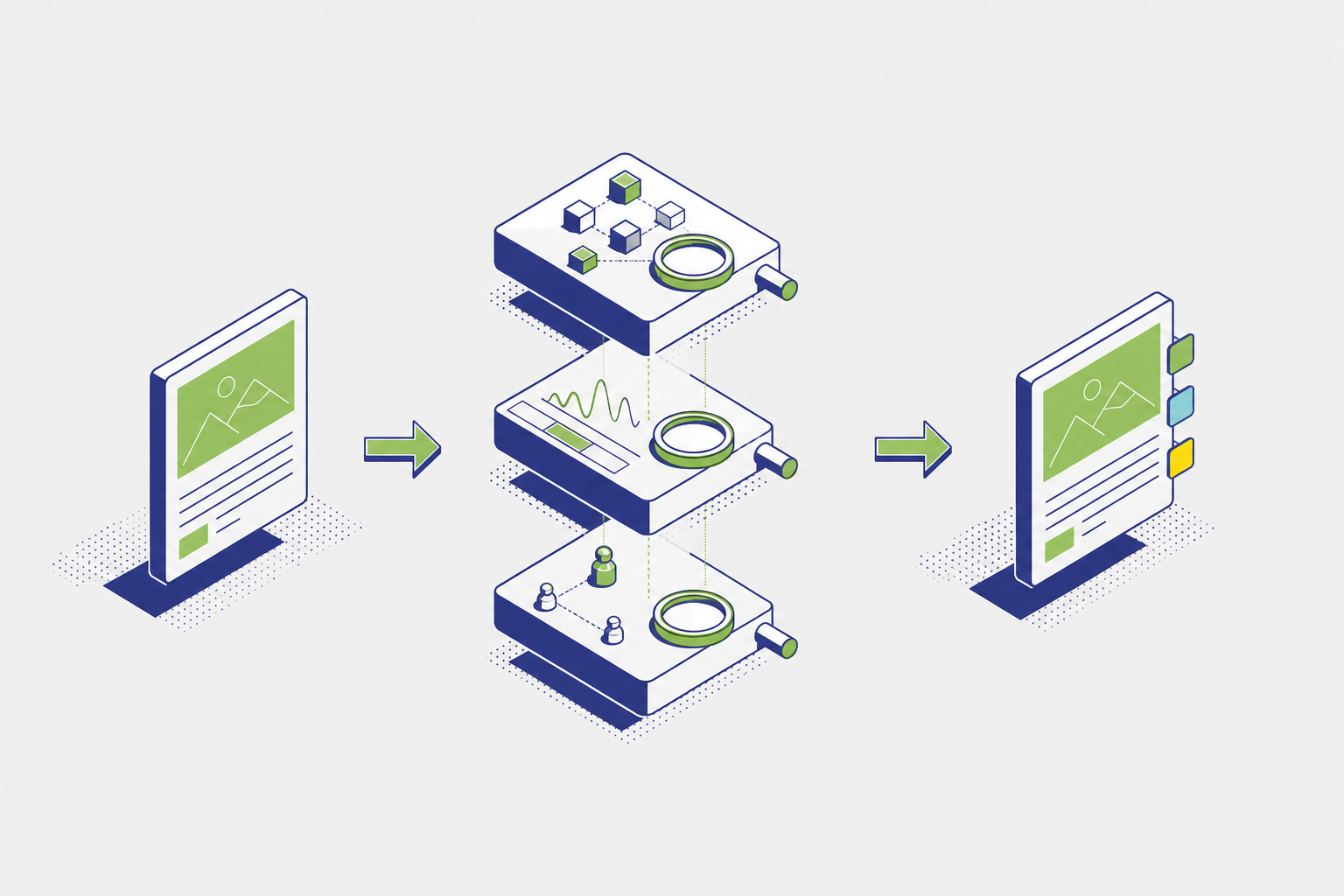
01Each record is classified by topic, sentiment, stakeholder, message, competitor, and the custom criteria your team actually uses.
02Get structured datasets, traceable records, dashboards, trends, and summaries ready for research, reporting, and decisions.
03Collecting more data is not enough. Every record needs a defined label before it can reveal a useful pattern.
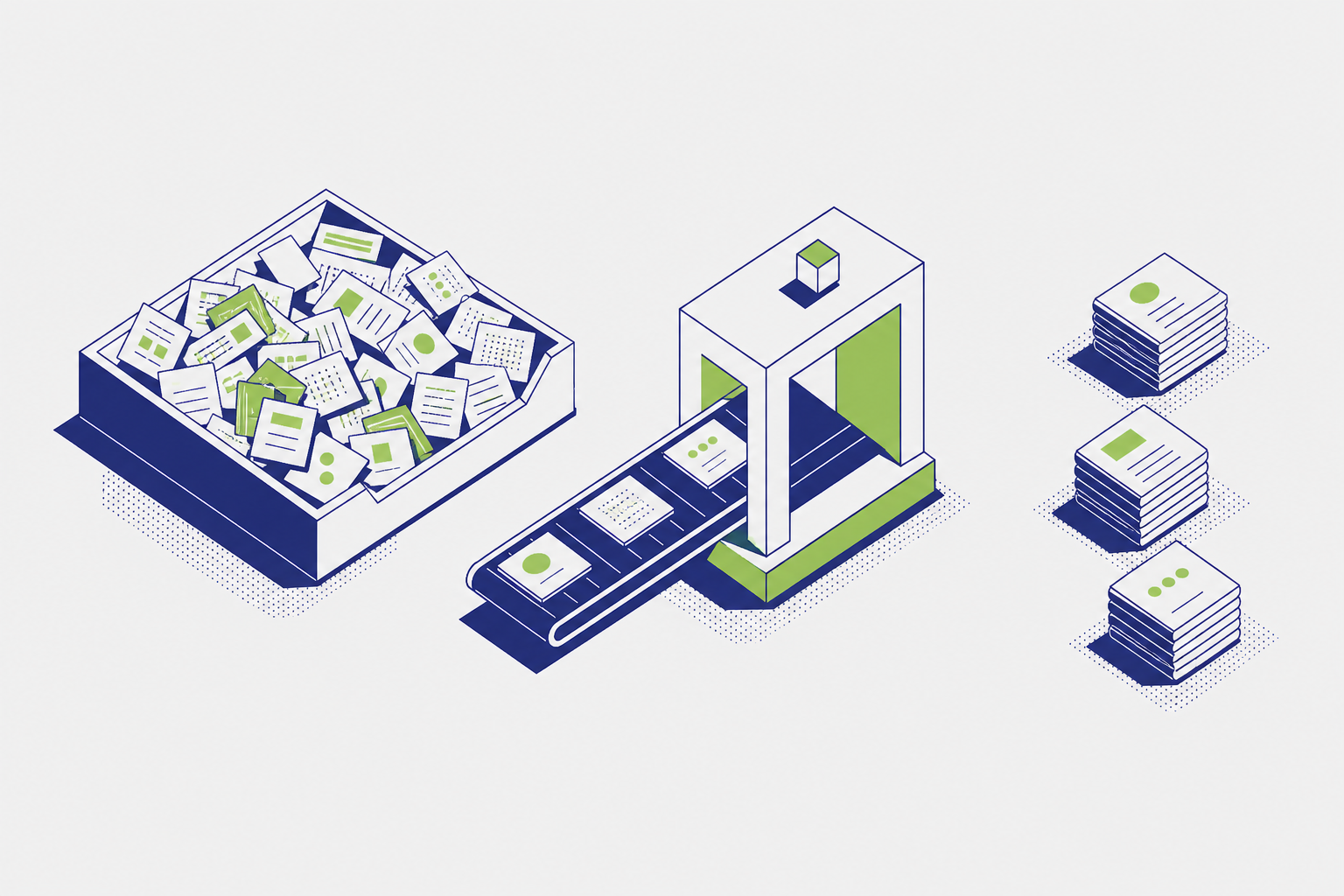
We translate your monitoring framework into a custom tag library, then apply it consistently across every collected record.
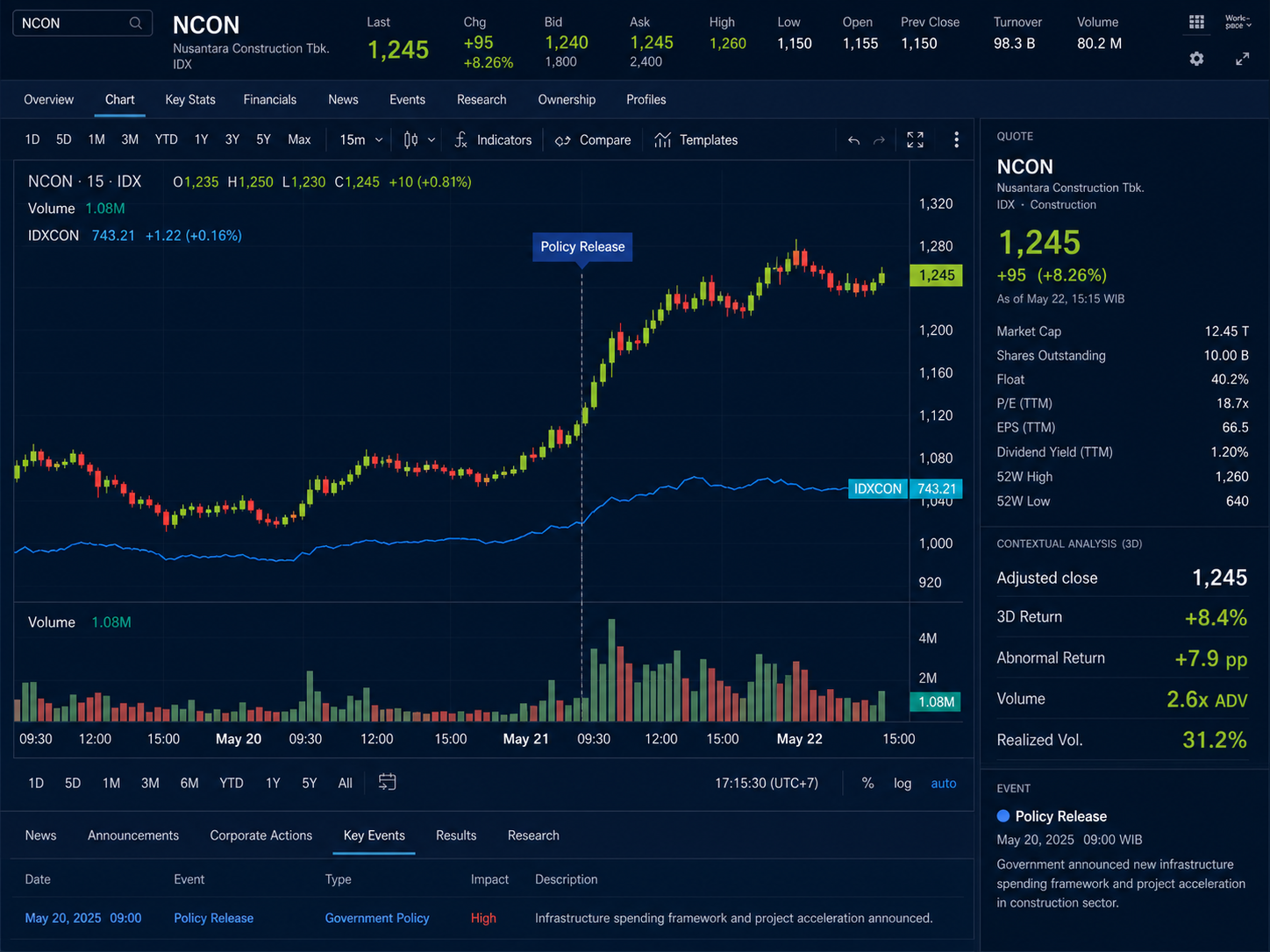
Context can be implied by language or revealed through relationships across datasets. These examples show what becomes visible when records are interpreted together.

The copy expresses Nike’s action-first brand code without naming Nike or repeating “Just Do It.”
You define what matters. We handle collection, classification, infrastructure, and delivery.
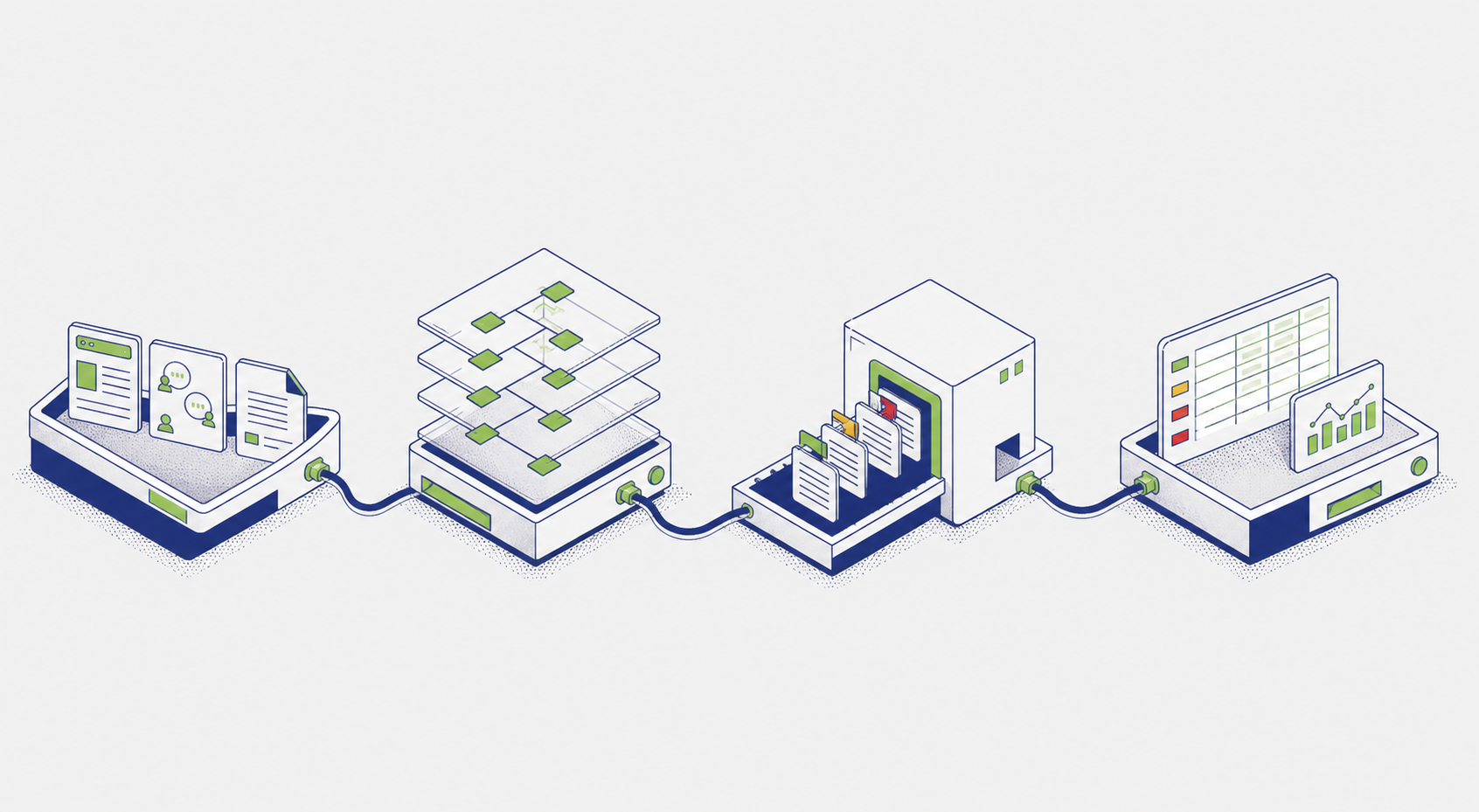
Collect relevant posts, reviews, articles, market data, and public documents.
Define the layers of context and nuance that keyword rules usually miss.
Apply contextual labels, confidence, and source traceability to every record.
Turn structured data into trends, signals, summaries, and findings.
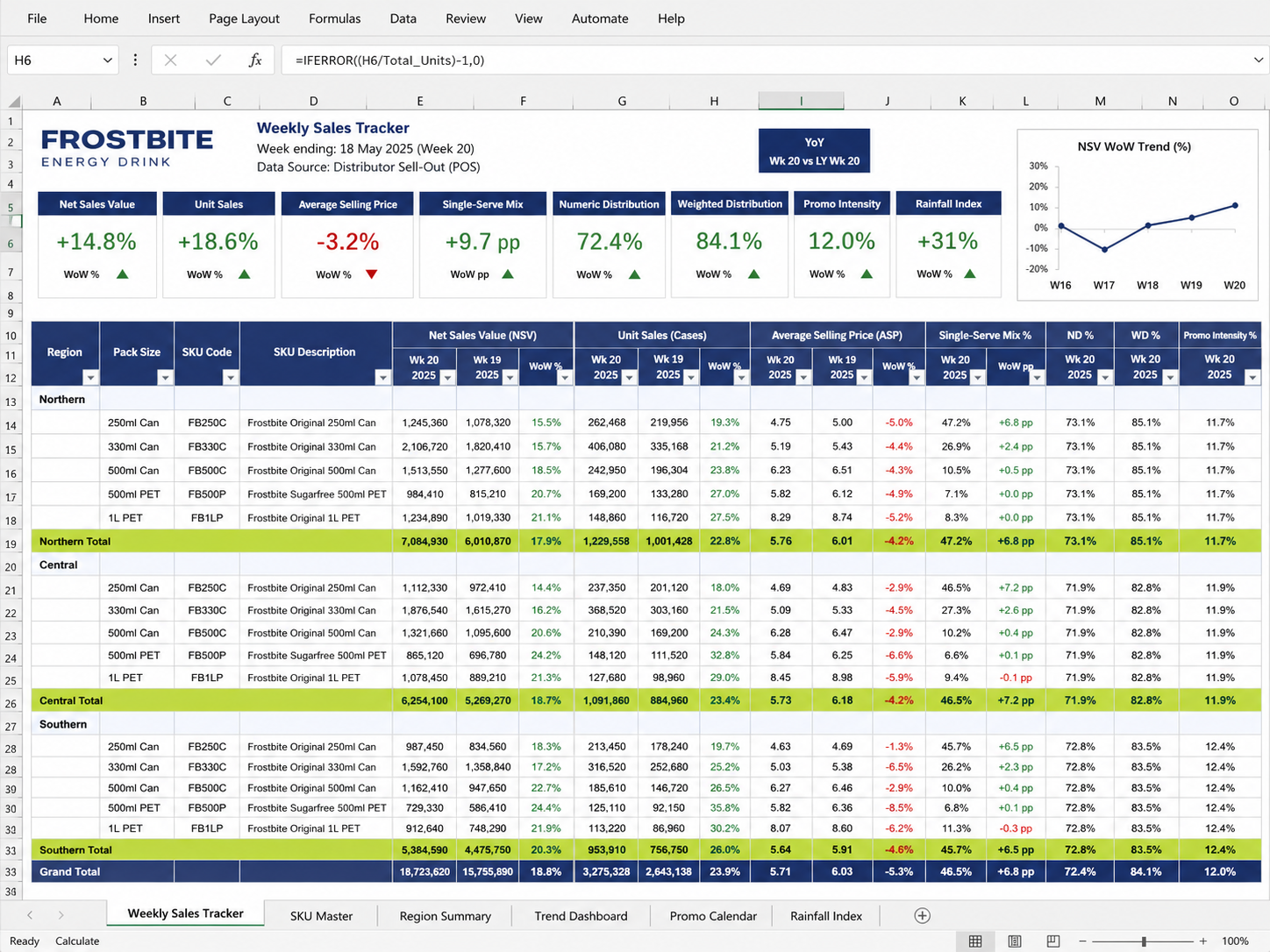
Contextual tags unlock specific narrative summaries, precise counts, and transparent evidence behind every finding.
A competitor launch is gaining traction among price-sensitive consumers.
Every statement is grounded in tagged source records and remains available for verification.
Choose a starting point. The sources, taxonomy, and output are configured around your workflow.
Track coverage, public conversations, sentiment, key messages, and reputation signals.
Monitor product launches, pricing, competitor activity, demand, and emerging risks.
Structure public documents, government publications, market data, and policy debates.
Short, structured guides to meaning, language models, inference, and data labeling.
The essentials about scope, customization, outputs, and traceability.
Ask a different questionStandard scraping stops at collection. AA Scraper adds a custom contextual taxonomy, ML-assisted classification, source traceability, and outputs ready for analysis.
Yes. The hierarchy can reflect your brands, topics, stakeholders, key messages, risks, narratives, or other domain-specific criteria.
Typical outputs include structured datasets, fully tagged records, interactive dashboards, monitoring reports, trend maps, summaries, and notable-signal alerts.
Yes. Source provenance is preserved so analysts can inspect, audit, verify, and cite the evidence behind a result.
Tell us the question you need to answer. We’ll map the right sources, contextual logic, and output.